
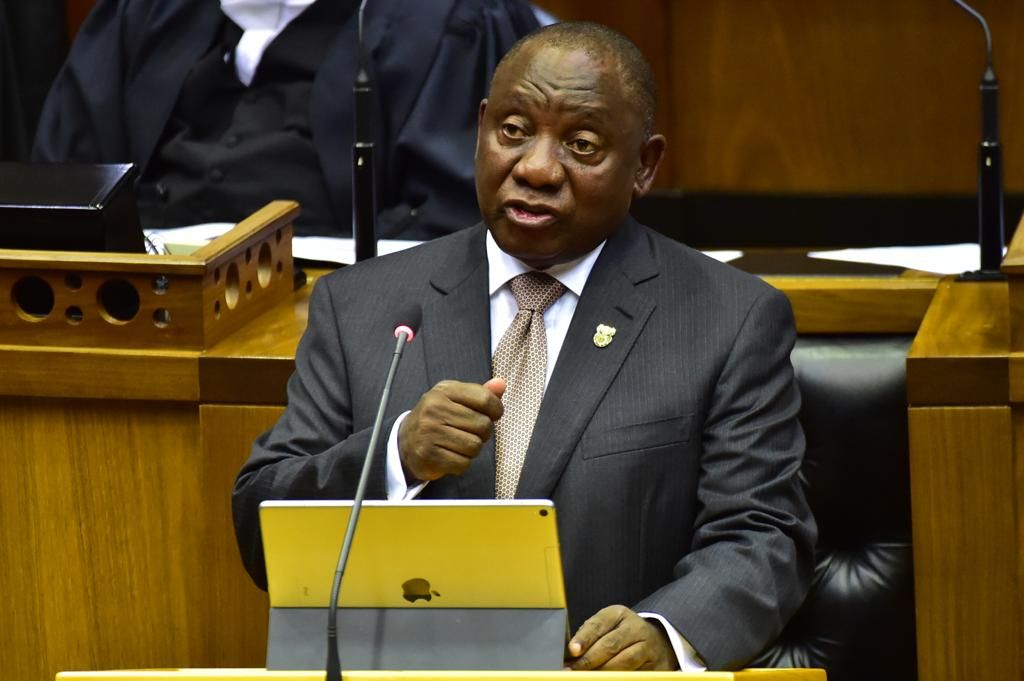
The Presidency has cautioned against the spread of misinformation surrounding South Africa’s immigration challenges following international comments on recent violent incidents involving foreign nationals.
This comes after World Health Organization (World Health Organization) Director-General Dr Tedros Adhanom Ghebreyesus issued a statement condemning renewed attacks targeting foreign nationals, which allegedly left several people dead. Among the reported fatalities are at least five Ethiopian nationals and five Mozambican nationals who died in separate incidents, including one in Mossel Bay.
In a statement released on Monday, the Presidency said the Department of International Relations and Cooperation (DIRCO) will engage with the WHO to correct what it described as inaccurate information and to provide a clearer account of the situation.
“The engagements will outline in detail how this complex matter is being addressed by the South African government. Most notably, the WHO’s characterisation of the deaths of the Ethiopian nationals is, unfortunately, incorrect,” the statement read.
According to the Presidency, the deaths of the Ethiopian nationals are linked to organised crime and are currently under active investigation by law enforcement authorities.
The South African Police Service (South African Police Service) confirmed that the case involving the Mozambican national in Mossel Bay remains under active investigation.
“The events that led to the deaths of these Ethiopian nationals fall within the realm of organised crime, as has already been publicly reported, and are being actively investigated by law enforcement agencies,” the Presidency said.
President Cyril Ramaphosa (Cyril Ramaphosa) and the Inter-Ministerial Committee on Migration reiterated that only authorised law enforcement officials have the mandate to enforce the law.
“The Presidency expressed deep regret over the tragic loss of life in the recent incidents, saying one life lost is one too many. We extend our deepest sympathies to the families and communities affected,” the statement concluded.
No tags for this post.